
Seasonal Allergies and the Eyes

Seasonal Allergies
Seasonal allergies are a common issue for many, especially during peak pollen seasons.
At See and Be Seen, Dr. Barnes understands how changing seasons and high pollen counts can impact your eye comfort and vision. Our team provides thorough evaluations and personalized treatment plans tailored to your unique symptoms, helping you enjoy clear, comfortable vision all year round.
Why Your Eyes React to Allergies
When pollen, dust, or other allergens come into contact with the surface of your eyes, your immune system goes into defense mode. This response releases histamine and other chemicals that cause inflammation, itching, redness, and watering.
Your eyes are especially sensitive because they are exposed and lack the same physical barriers as the rest of your body.
Recognizing the Symptoms
Many people associate allergy season with sneezing and a runny nose, but your eyes can be just as affected. Symptoms of eye allergies (also known as allergic conjunctivitis) can include:
- Itching or burning sensation
- Redness
- Watery or teary eyes
- Swelling of the eyelids
- Grittiness or a feeling that something is in your eye
The Importance of a Thorough Evaluation
Allergic eye symptoms can often resemble those caused by other conditions, such as dry eye, contact lens irritation, or bacterial infections.
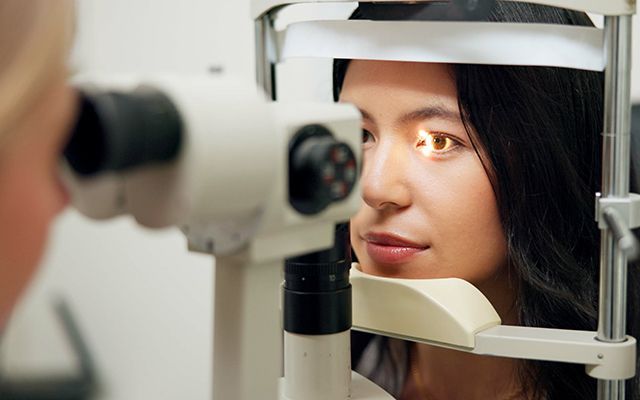
This is why a comprehensive eye exam at See and Be Seen is essential. During your visit, Dr. Barnes carefully reviews your symptoms and health history, performs detailed tests, and examines your eyes to accurately identify the cause of your discomfort.
Key factors she evaluates include:
- The pattern and duration of your symptoms
- Any swelling or redness
- Signs of other eye surface conditions
- How your symptoms affect vision and comfort
This thorough approach ensures that allergies are properly diagnosed and that you receive the most effective treatment for your unique situation.
Treatment Options
Once Dr. Barnes has identified allergies as the source of your symptoms, she will develop a treatment plan tailored to your needs.
This may include recommendations for lifestyle changes, over-the-counter products, or prescription medications depending on the severity and frequency of your symptoms.
For those who need more than simple avoidance strategies, we may recommend:
- Antihistamine eye drops: These help relieve itching and redness by blocking the body’s histamine response.
- Mast cell stabilizers: These drops prevent the release of allergy-triggering chemicals and are often used for long-term relief.
- Combination drops: Some medications offer both antihistamine and mast cell stabilizing effects for broader symptom control.
She will guide you through the best options and teach you how to use your drops correctly for maximum comfort.
What You Can Do to Manage Eye Allergies
There are steps you can take at home to reduce your exposure to allergens and ease your symptoms:
- Stay indoors on high-pollen days
- Use air conditioning, keep windows closed, and consider using an air purifier
- Always wear sunglasses outdoors, to protect your eyes
- Wash your hands and face after being outside
- Avoid rubbing your eyes, which can worsen irritation
Ready to Take Control of Your Eye Allergies?
Don’t let seasonal allergies interfere with your daily life or compromise your vision. With the right diagnosis and a treatment plan tailored to your needs, lasting relief is possible. Dr. Barnes is here to help you manage allergy-related eye symptoms and protect your eye health year-round.
If you’ve got itchy eyes, book an appointment now to get relief!
Helpful LINKS